Maximise your visa approval chances with expert tips on documentation, application forms, and interview preparation. Bac International’s guide to stress-free visa success.
A visa refusal is not merely an administrative setback — it can derail months of planning, result in financial losses, and in some cases, negatively impact future visa applications. Yet the vast majority of visa refusals are entirely avoidable. They stem not from ineligibility but from preventable errors: incomplete documentation, inconsistent information, poorly written personal statements, or inadequate financial evidence.
Whether you are applying for a student visa, a work visa, or a tourist visa, the following expert guidance will help you present the strongest possible application.
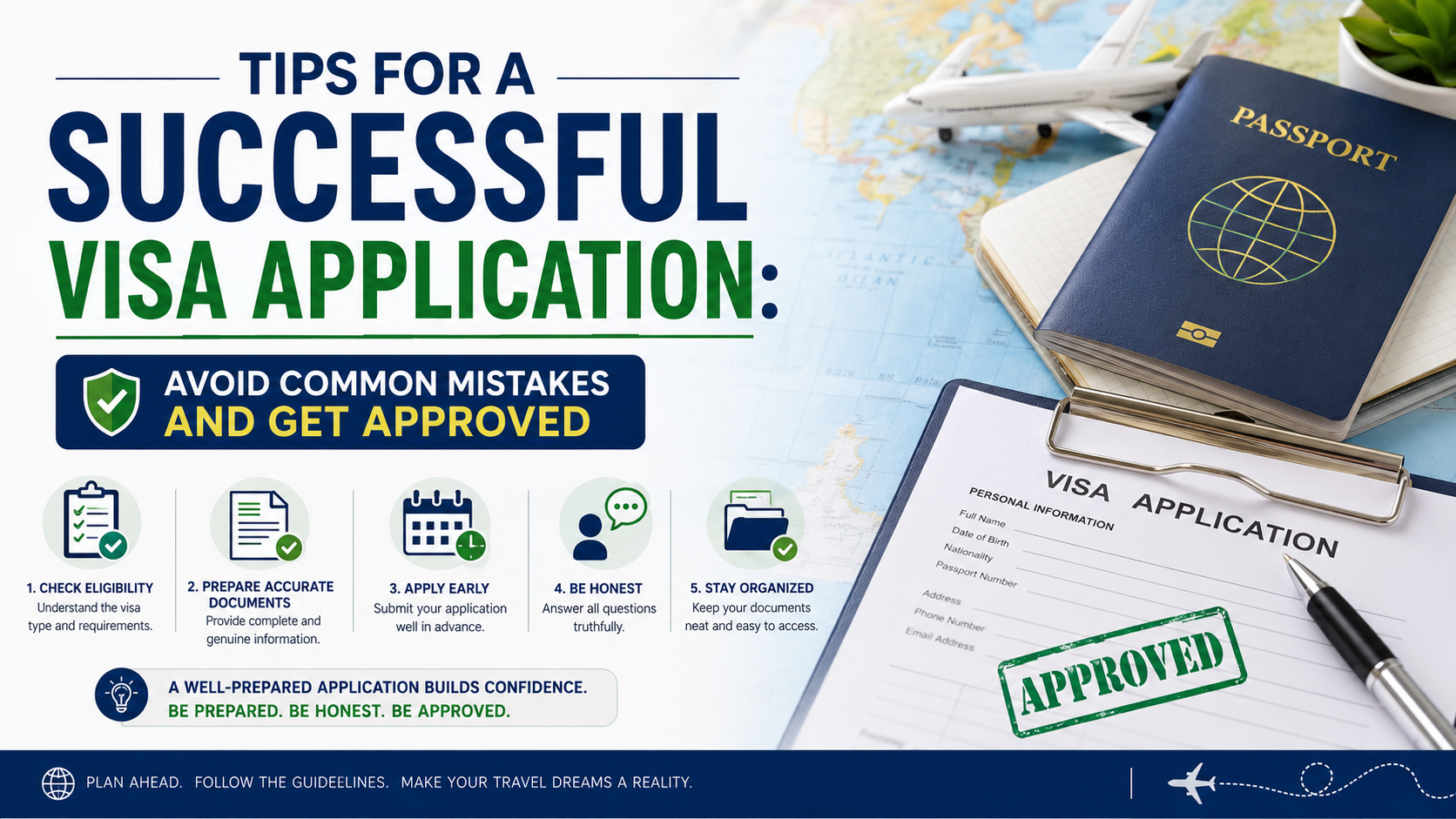
1. Start the Process Early
Procrastination is the enemy of a successful visa application. Processing times vary enormously between countries and visa types, and many applications require documents that take time to obtain — certified translations, police clearance certificates, notarised financial statements, and academic credential evaluations, to name a few.
As a general rule, begin your visa application preparation at least three to four months before your intended travel date. For countries with notoriously lengthy processing times, such as the United States or the UK during peak application periods, starting even earlier is advisable.
2. Read the Requirements Carefully and Completely
The single most common cause of visa complications is applicants failing to read and follow the instructions provided by the relevant immigration authority. Visa requirements are specific, detailed, and non-negotiable. Every document requested must be provided in the correct format, translated if necessary, and submitted in the specified order.
Before you begin assembling your application, read the official requirements documentation in full. Do not rely on secondhand information from online forums or friends’ experiences, as requirements change frequently.
3. Ensure Complete Consistency Across All Documents
Immigration officers are trained to identify inconsistencies between documents. Your name, date of birth, address, employment details, and financial information should be consistent across every document in your application — your passport, bank statements, employment letters, and application form. Even minor discrepancies, such as a middle name appearing in some documents but not others, can raise red flags and trigger additional scrutiny.
4. Provide Comprehensive and Genuine Financial Evidence
Demonstrating that you have sufficient funds to support yourself — and that you have strong ties to your home country that ensure you will return — is a core component of most visa applications. Provide clear, certified bank statements covering at least three to six months. Ensure that any unusually large deposits can be explained with supporting documentation, as unexplained transfers may raise concerns about the legitimacy of your financial position.
5. Prepare an Honest and Compelling Personal Statement
For student and skilled worker visas in particular, a well-crafted personal statement can make a significant positive difference to the outcome of your application. Your statement should clearly explain your purpose for travel, your plans while in the destination country, and your intention to abide by the conditions of your visa. Honesty is paramount — any misrepresentation, no matter how minor, can result in a permanent ban from that country.
6. Preparing for the Visa Interview
Not all visa applications require an interview, but when they do, the interview is a critical opportunity to demonstrate your genuine intentions and eligibility. Prepare thoroughly by:
- Reviewing your application documents so that your verbal responses are consistent with your written submissions
- Practising answers to common interview questions about your purpose of travel, financial situation, and future plans
- Dressing professionally and arriving punctually for your appointment
- Answering questions honestly, concisely, and without volunteering unnecessary information
- Bringing organised copies of all submitted documents in case they are requested
7. What to Do If Your Visa Is Refused
If your visa application is refused, do not panic. Read the refusal notice carefully to understand the specific grounds for the decision. In many cases, a refused application can be successfully resubmitted with additional evidence that addresses the concerns raised. In other cases, an appeal or an administrative review may be the appropriate course of action.
The visa specialists at Bac International have extensive experience in reviewing refused applications, identifying the weaknesses, and building stronger resubmissions. Our track record demonstrates that a refused application is rarely the end of the road.
Ready to take the next step? Bac International’s expert consultants are here to guide you every step of the way on your journey to navigating the visa application process successfully. Apply Now today at www.bac.com.bd and let us turn your global ambitions into reality.